 My
Account
My
Account 
 My
Wishlist
My
Wishlist
Shopping Cart Empty!!
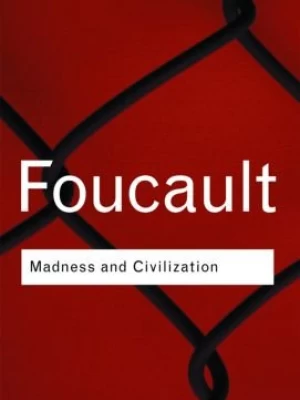

Madness and civilization by Michel foucault
No Reviews
Book Overview
In Madness and Civilization, Foucault examines the shifting attitudes toward mental illness across history. He begins with the relative tolerance of madness during the medieval and Renaissance periods, where it was often seen as part of the human condition or even associated with insight.
A key turning point in his account is what he calls the “Great Confinement”—a period in the 17th century when European societies began isolating the poor, the unemployed, and the mentally ill in institutions. Rather than being treated medically, these groups were confined as part of a broader effort to enforce social order.
Foucault argues that modern psychiatry did not simply “discover” mental illness but emerged from these earlier practices of exclusion and control. He suggests that what counts as “madness” is defined by social norms and power structures, not just scientific knowledge.