 My
Account
My
Account 
 My
Wishlist
My
Wishlist
Shopping Cart Empty!!
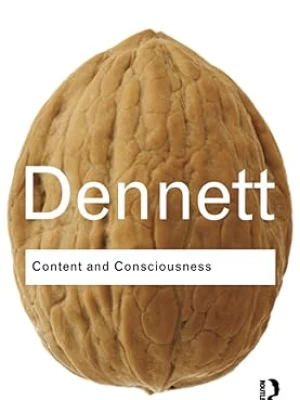
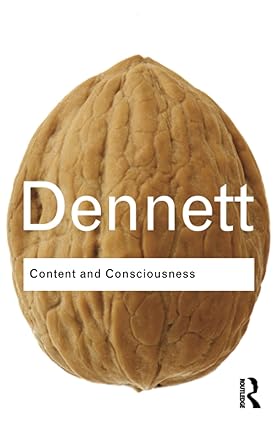
Content and consciousness by Daniel C Dennet
No Reviews
Book Overview
In Content and Consciousness, Dennett examines two central issues: intentionality (how mental states are about or represent things) and consciousness (subjective experience). He divides the book into two main parts—one focusing on the nature of mental content, and the other on the problem of consciousness.
Dennett critiques traditional Cartesian views that treat the mind as a private, inner realm separate from the body. Instead, he moves toward a more scientific and functional understanding of mental processes, influenced by developments in psychology and early cognitive science. He also engages with the work of philosophers like René Descartes, questioning the idea of a clear boundary between mind and body.
The book does not offer a final theory of consciousness but sets the stage for Dennett’s later, more developed positions—particularly his rejection of the idea of a central “inner observer” or homunculus.