 My
Account
My
Account 
 My
Wishlist
My
Wishlist
Shopping Cart Empty!!
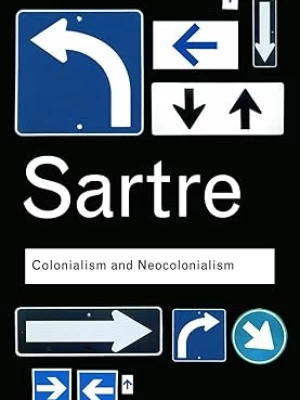
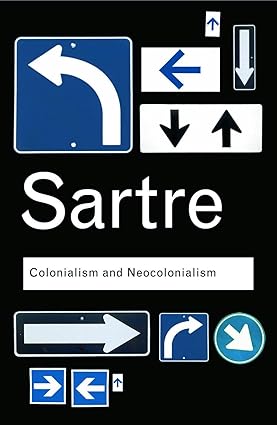
Colonialism and Neocolonialism by Jean-Paul sartre
No Reviews
Book Overview
In Colonialism and Neocolonialism, Sartre analyzes how European colonial powers exploited colonized regions economically, politically, and culturally. He exposes the violence and inequality embedded in colonial systems, arguing that colonialism dehumanizes both the colonizer and the colonized.
A key focus of the book is the transition from colonialism to neocolonialism—a condition in which former colonies may gain political independence but remain economically dependent and culturally influenced by former imperial powers. Sartre argues that this new form of domination operates through global capitalism, political pressure, and cultural influence rather than direct rule.
The essays also reflect Sartre’s support for anti-colonial struggles, particularly in places like Algeria, and his insistence that intellectuals must take an active role in opposing injustice.