 My
Account
My
Account 
 My
Wishlist
My
Wishlist
Shopping Cart Empty!!



Fundamentals Of Jurisprudence The Indian Approach by
No Reviews
Book Overview
About The Book
FUNDAMENTALS OF JURISPRUDENCE— THE INDIAN APPROACH the author has Carefully retained the form and content of its earlier edition and further infused it with varying Indian responses to new Emerging challenges and changes of the twenty-first century juristic Developments. The hall-mark of this work is to resurrect, represent and restate Indian legal theory so that it pursues and makes a useful study of our contemporary social values, ideals and on the matrix of present needs and future expectations and above all in the interest of cementing the Indian spirit. The thrust this work is to reflect on Indian legal theory with
Indian slant so it pursues and make a meaningful examination, assessment and evaluation of our present juristic developments
in the back-drop of existing developments. It must be borne in mind that like other Social sciences legal theory in India ought to reflect cob-webs of Indian spirit, unity and solidarity. It cannot be a carbon copy of the American or English jurisprudence. The Indian Jurisprudence must have its roots deep in the Indian soil but at the same time be open to new healthy winds of change in order to move with times but always keeping in mind our heritage, roots and future expectations. No legal theory much less the Indian can be devoid of its moral overtones and social tolerance towards all even those who differ with our way of life in the making of new India with a humane social, political and legal order. As I remarked in its earlier edition 'when India is at the door-step of twenty-first century it become necessary to dilate, discuss and expound the new emerging dimensions of Indian Jurisprudence which go far-beyond and much
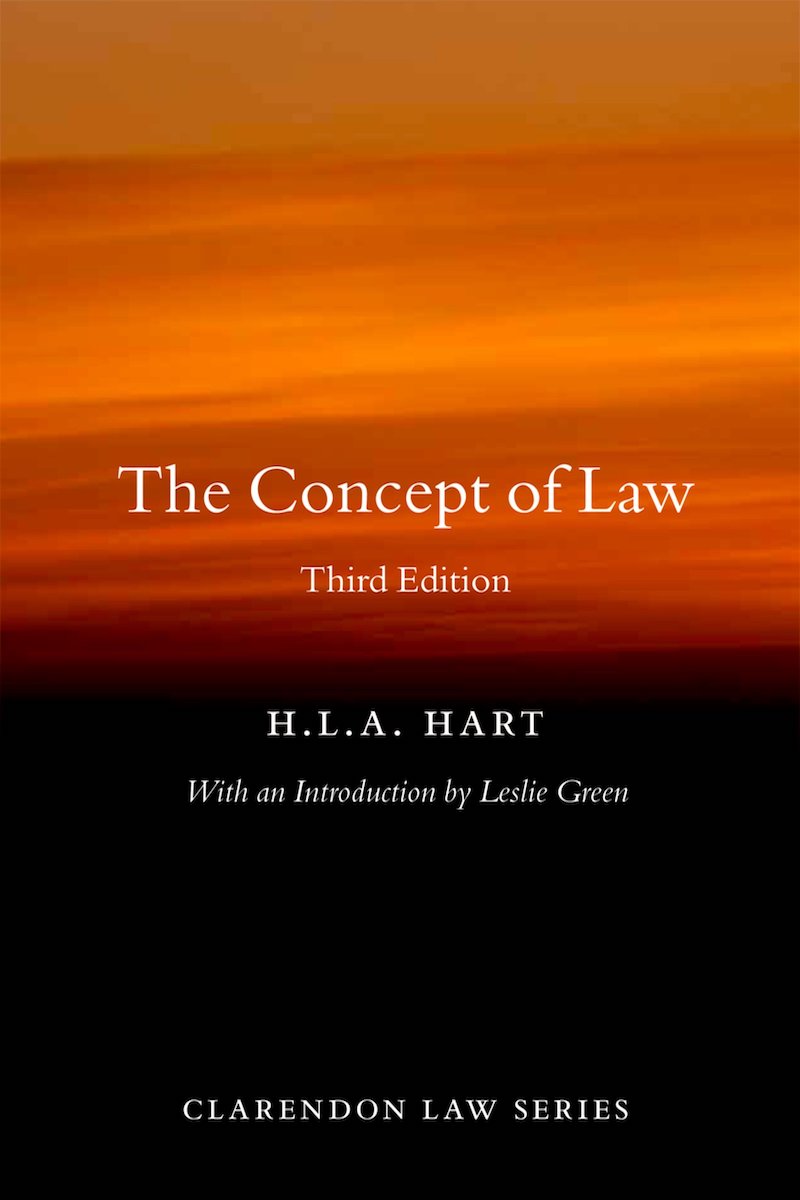
deeper than the so-called western legal philosophy and legal concepts like Hart-Fuller law-morality problem Kelsen's Grundnorm, Poundian theory of interest, Rawlsian concept of justice etc. The paradigms of morality, human dignity and freedom, of course, can never have a road-end as it is a ceaseless, dynamic and ever evolving principle in response to new needs and times.